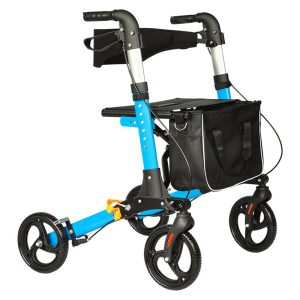
For elderly individuals, post-surgery patients, or women in late pregnancy, everyday toileting often comes with real challenges—difficulty standing up, loss of balance, and concerns about privacy. A commode chair is a flexible toileting aid that helps solve these problems at home. Below are the five core benefits of using a commode chair and why it deserves a place in any home care plan.
What Is a Commode Chair?
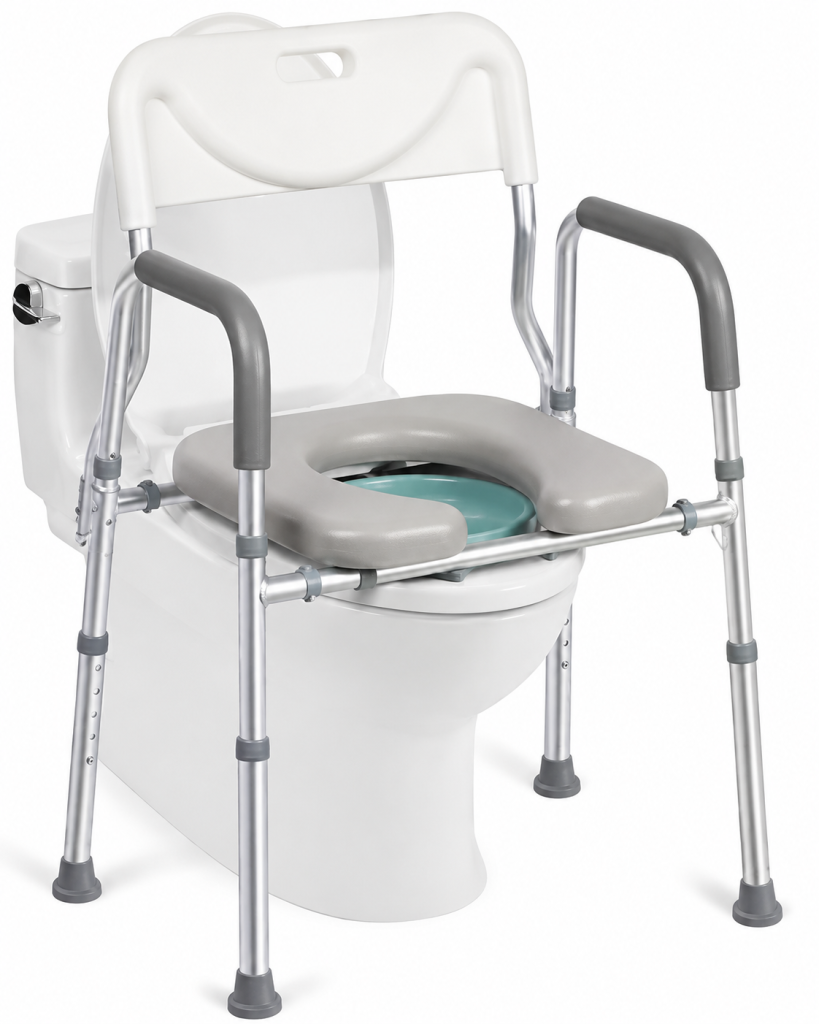
A commode chair is a portable chair with a built-in or detachable bedpan, designed to help people who have difficulty using a standard toilet. It can be used as a standalone toilet, placed over an existing toilet as a raised seat, or used as a shower chair. Most models feature armrests, adjustable height, and a foldable frame.
1. Fall Prevention and Enhanced Safety
Bathrooms are a high-risk area for falls at home. Slippery floors, tight spaces, and the instability that comes with standing up from a seated position pose a significant threat to people with mobility issues. A commode chair provides a stable support point through its side armrests, helping users sit down and stand up in a safer posture.
The armrest design gives users a clear grip point when transferring their body weight, reducing the likelihood of losing balance and falling. In addition, non-slip foot pads increase friction with the ground, keeping the chair stable even on smooth tiles. For nighttime toileting, placing a commode chair next to the bed can also prevent accidents that occur when walking to the bathroom in the dark.
2. Adjustable Height for Different Body Types
The height of a standard toilet is fixed, which creates very different levels of difficulty for users of shorter or taller stature. A commode chair typically comes with multi-level height adjustment, allowing users to set the seat at the most comfortable position based on their leg length and standing habits.
The right height means feet can rest firmly on the ground, with thighs and calves at a near-vertical angle, so standing up doesn’t require excessive bending or pushing off the floor with hands. This is especially important for people with knee osteoarthritis or lumbar discomfort, as it significantly reduces physical strain during toileting.
3. Versatile Use Across Multiple Scenarios
Modern commode chairs have moved beyond a single function. Many models support a 3-in-1 design: they can be used with a bedpan as a standalone toilet, placed over a regular toilet as a raised seat after removing the bedpan, or used as a shower chair in the bathroom.
This flexibility allows the commode chair to adapt to different spaces and needs at different stages. In home care settings, a commode chair with wheels can be pushed to the bedside, reducing the need for users to travel back and forth to the bathroom. For households with squat toilets, a commode chair placed over the squat pan is a low-cost solution that requires no plumbing modifications.
4. Foldable Design Saves Space
Limited living space is a reality for many families. A foldable commode chair can be collapsed against a wall or stored in a corner when not in use, taking up almost no extra space. Compared to traditional fixed care equipment, a foldable commode chair offers clear advantages in convenience and space efficiency.
For families who need occasional rather than long-term use, a foldable model is a practical choice. Unfold to use, fold to store—it balances functionality with a tidy home environment.
5. Easy to Clean and Maintain for Better Hygiene
The bedpan of a commode chair is usually detachable—simply remove it to empty and rinse, without having to handle the entire chair. The frame and seat are typically made from easy-to-wipe materials, so a damp cloth is all it takes to keep them clean, with no hard-to-reach hygiene blind spots.
Some models also come with a lidded bedpan that effectively reduces odor, improving both comfort and dignity during use. For caregivers, a simplified cleaning process also means a lighter daily care burden.
Who Should Use a Commode Chair?
A commode chair is ideal for:
- Elderly individuals with mobility challenges
- People recovering from surgery or injury
- Women in late pregnancy
- Individuals with arthritis, knee pain, or balance issues
- Caregivers supporting a loved one at home
- Households with squat toilets
How to Choose the Right Commode Chair
When selecting a commode chair, consider the following factors:
- Height adjustment: Choose a model with a height range that suits the user’s body type.
- Weight capacity: Make sure the chair supports the user’s weight safely.
- Foldability: A foldable design is better for small living spaces.
- Armrests: Padded or ergonomic armrests improve comfort and safety.
- Bedpan type: A detachable, lidded bedpan is easier to clean and reduces odor.
- Wheels: If the user needs to move between rooms, a wheeled model may be more convenient.
Frequently Asked Questions
Q: Can a commode chair be used over an existing toilet?
A: Yes. Many commode chairs are designed to be placed over a standard toilet after removing the bedpan, functioning as a raised toilet seat.
Q: Is a commode chair suitable for showering?
A: Some models are water-resistant and can be used as a shower chair. Check the product specifications before use.
Q: How do I clean a commode chair?
A: Remove the bedpan and rinse it with water and mild detergent. Wipe the frame and seat with a damp cloth. Avoid harsh chemicals that may damage the surface.
Q: How much weight can a commode chair support?
A: Weight capacity varies by model. Most standard commode chairs support between 250 and 350 pounds (113–159 kg). Always check the specifications.
Final Thoughts
The value of a commode chair lies not only in its function but also in helping users regain the ability to use the toilet independently and with dignity. Choosing the right commode chair is a simple yet effective starting point for improving the quality of life for people with limited mobility—and for making daily care easier for families and caregivers.